
Floor Graphics for Otago Museum: A WWI Exhibition Case Study
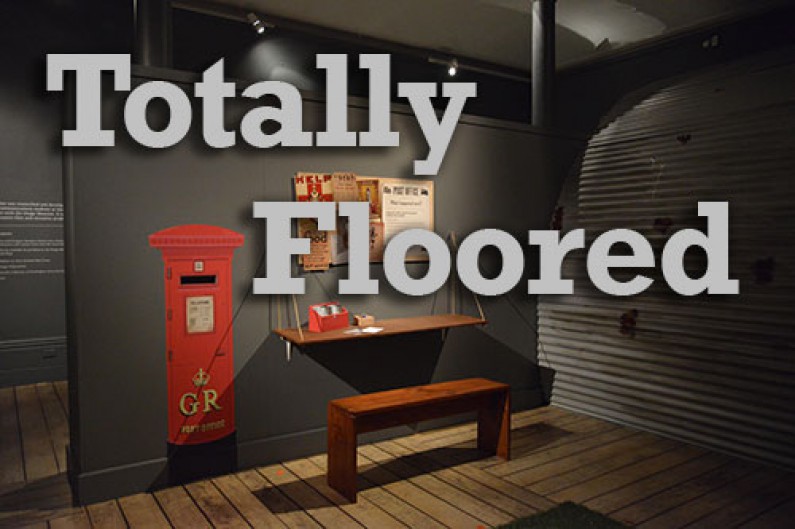
Floor graphics that had everyone fooled
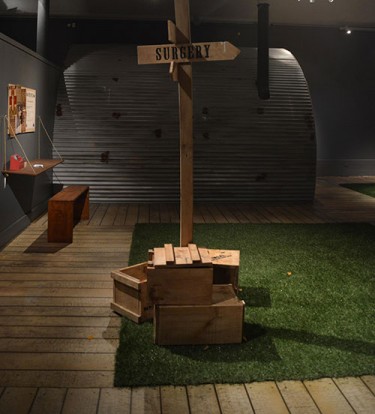
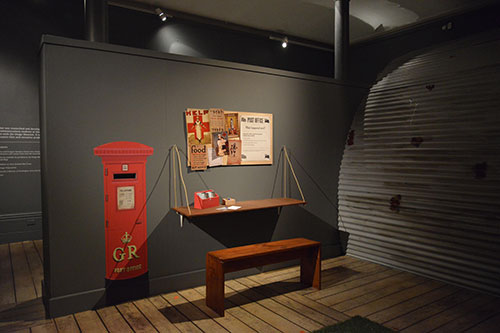
You'll be forgiven for looking twice at this one. What looks like real timber flooring is actually digitally printed floor graphics, and it's part of an exhibition space we recently worked on. When we were asked to create a convincing period-look floor for a museum exhibit, we knew exactly how to pull it off.
Client: Otago Museum
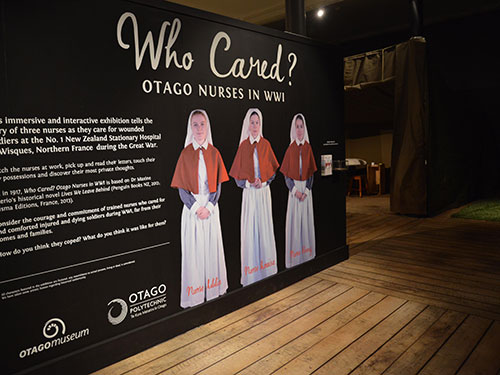
The exhibition: Who Cared? Otago Nurses in WWI is an immersive, interactive exhibition telling the story of three nurses caring for wounded soldiers during the Great War. Visitors watch the nurses at work, read their letters, handle their few possessions, and get a glimpse into their private thoughts. Set in 1917, the exhibition is based on Dr Maxine Alterio's historical novel Lives We Leave Behind, and was developed by Bachelor of Design (Communication) students at Otago Polytechnic in collaboration with Otago Museum.
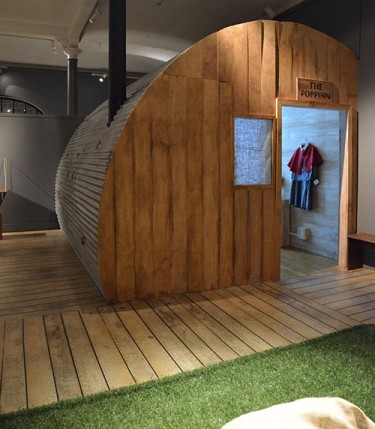
What we did: We supplied digitally printed floor graphics that transformed the modern flooring into a convincing 1917 tongue and groove timber floor, helping ground visitors in the period the moment they stepped into the space.
What they said: "The team at Adgraphix is always great to work with. They helped us come up with a solution that fitted all of our needs and looked amazing too. Looking forward to working together on some more exciting projects in the future."
FAQs
What are floor graphics used for in exhibitions?
Floor graphics can be used to visually transform a space, for example recreating a period-accurate timber floor, without altering the actual flooring underneath.
Can floor graphics be used in heritage or museum settings?
Yes. Digitally printed floor graphics are a practical way to add historical or thematic detail to a museum or exhibition space while keeping the existing floor intact.
This is a look back at a past project. Details may have changed since it was first published, get in touch with us for current information.
Custom Banners in Christchurch and Across NZ: Materials, Sizes and Choosing What's Right for Your Job
.jpeg)
Choosing a Signage Company in Christchurch: Questions to Ask Before You Commit