
The Best Eco-Friendly Signage Options In NZ

“The best eco-friendly signage materials for NZ businesses are recyclable corflute, RETEX board (made from textile waste), KATZ Display Board (100% recyclable and biodegradable), honeycomb board (FSC-certified paper), Kavalan banner (PVC-free), and Eco Dot (recyclable adhesive film). The most genuinely circular options, corflute, RETEX, and media board, can be returned at end-of-life and recycled through NZ-based programmes (Future Post and Textile Products). Also you should look for products printed with low-VOC HP Latex inks, not solvents.”
New Zealand businesses are always under pressure to find more innovative ways to expand on their sustainability, and that includes how they present themselves visually. Signage might not be the first thing on your “green” checklist, but it’s one of the easiest wins - the wrong materials end up in landfill fast, while the right ones can be recycled, reused, or made from reclaimed content in the first place.
This guide covers the best eco-friendly signage materials available to NZ businesses today and what to look for when choosing them.
What Makes Signage Eco-Friendly?
Eco-friendly signage materials typically meet one or more of the following criteria:
- They are reusable for an extended period of time
- Recyclable at end of life
- Made from recycled or reclaimed content
- Free from harmful chemicals like PVC or heavy metals
- And/or… part of a circular economy take-back programme
In NZ’s common context, “eco-friendly” also means considering whether materials can actually be recycled here, some technically recyclable products have no viable NZ processing pathway, which is an important point to consider when you’re making sustainable purchasing decisions.
Large format digital print specialists Adgraphix say “the best sustainable signage choices balance environmental credentials with real-world durability and print quality.” This is because a material that fades or fails in as little as six months isn’t really sustainable in any meaningful sense.
The 8 Best Eco-Friendly Signage Materials For NZ Businesses
While there are always other options, here in NZ these are the 8 most commonly cited eco-friendly signage materials.
1. Recyclable Corflute (Corrugated Polypropylene)
Corflute, also called corflute board or corrugated plastic, is the lightweight, double-sided corrugated sheeting you’ll recognise from real estate signs and event displays. It’s made from 100% polypropylene (PP). Why is it a greener choice? Polypropylene is one of the more recyclable plastics. When diverted from landfill, it can be processed into entirely different products.
Best Uses: Temporary event signage, real estate boards, construction site signs, short-campaign promotions.
2. RETEX Board (Recycled Textile Waste)
RETEX is a rigid display board made from recycled textile waste, including old high-visibility workwear and used RETEX product itself. It’s durable, reusable, and 100% recyclable. Why is it a greener choice? It gives a second life to textile waste that would otherwise go to landfill, and it’s designed to be recycled again at the end of its own life. Textile Products, NZ’s largest textile waste processing company, handles the recycling stream.
Best Uses: Trade show displays, exhibition stands, interior retail signage, event backdrops.
3. KATZ Display Board (100% recyclable and biodegradable)
KATZ is a premium, eco-friendly brand of wood-pulp board used as an alternative to rigid plastics. It consists of a dense wood-pulp core with a high-quality paper liner on both sides. Unlike many synthetic boards, it is 100% recyclable and biodegradable. KATZ Display Board is highly resistant to warping compared to cheaper cardboards or foam-based alternatives.
Best Uses: POS (Point of Sale) displays, hanging signs, and exhibition graphics.
4. Honeycomb Board (Paper-Based)
A double-sided corrugated display board made from paper with a honeycomb core structure. Look for signage experts who source their raw paper products from responsibly managed forests. Why is it a greener choice? Paper-based products have well-established recycling pathways in NZ. FSC certification adds a layer of supply chain accountability. There are no plastics involved in the substrate itself.
Best Uses: Indoor event displays, pop-up retail, interior wayfinding, temporary interior installations.
5. Kavalan Banner (PVC-Free)
Kavalan is a double-sided banner material that replaces traditional PVC banner. It is PVC-free and complies with RoHS, REACH, and phthalate-free standards (a set of international restrictions on hazardous substances in manufacturing). Why is it a greener choice? Because Kavalan offers an alternative to standard PVC banners (one of the most problematic signage materials from an environmental standpoint, as they generate harmful by-products, and the material is extremely difficult to recycle).
*It does pay to note that Kavalan is not currently recyclable in NZ due to the absence of suitable processing infrastructure, however, removing PVC from your supply chain is still a meaningful step.
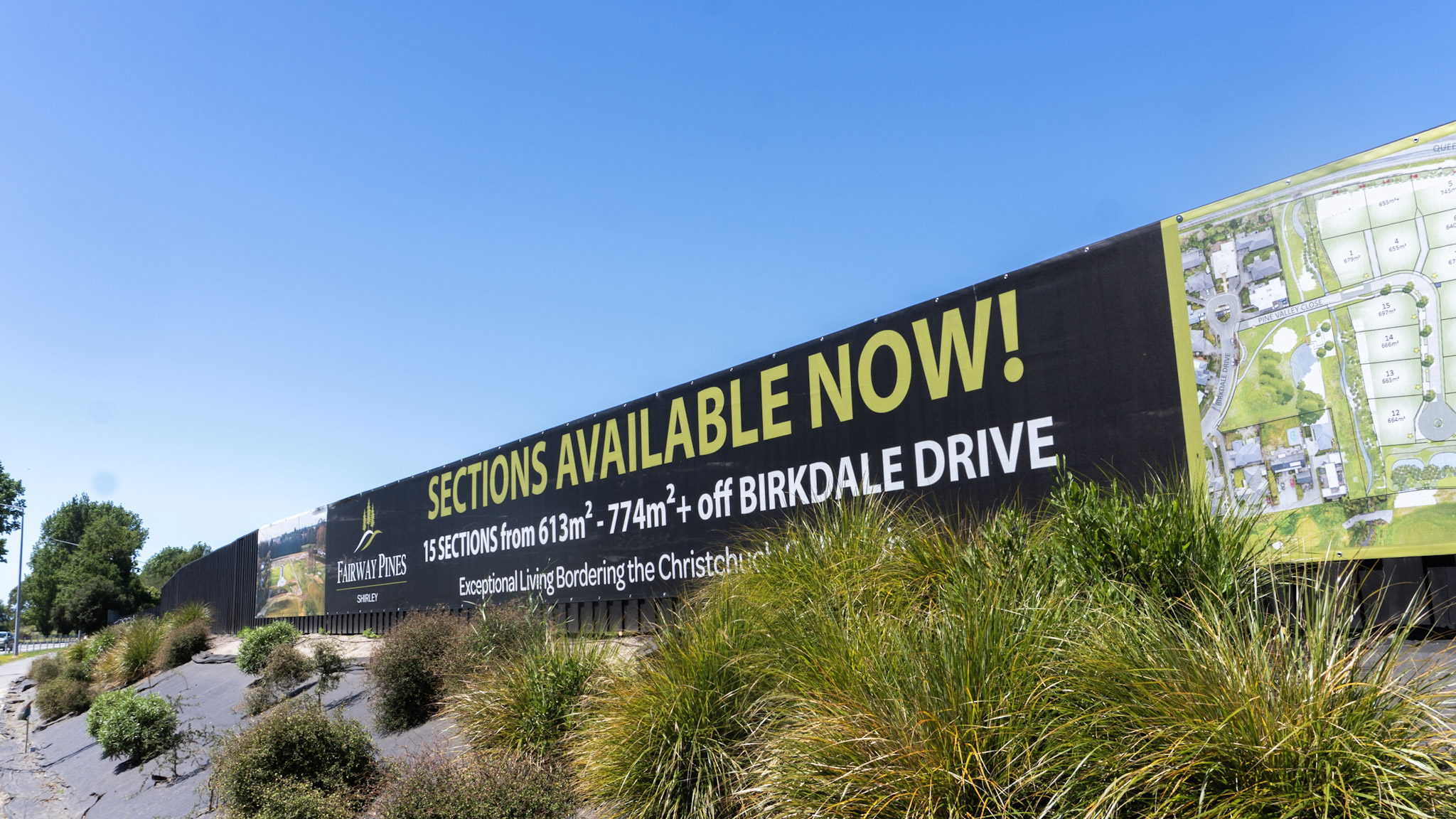
Best Uses: Outdoor event banners, building wraps, temporary hoarding skins, and festival branding.
6. Yupo (Synthetic Paper)
Yupo is a synthetic paper made from polypropylene. It contains no toxins or heavy metals and performs where standard paper can’t, it’s waterproof, tear-resistant, and dimensionally stable. Why is it a greener choice? It’s a direct replacement for PVC banner in applications where flexibility and water resistance are needed, without the hazardous materials profile of PVC.
*Like Kavalan, Yupo is not recyclable in NZ through the current infrastructure. But it replaces materials with significantly worse environmental credentials.
Best Uses: Outdoor posters, menus, maps, and waterproof event signage.
7. Eco Dot (Removable Adhesive Film)
Eco dot is a removable self-adhesive film that uses a dot adhesive pattern rather than a full-coverage adhesive. Made from PP, with a recyclable face film and liner. Why is it a greener choice? Both components are recyclable and the removable nature also means it can be cleanly removed and replaced without damaging surfaces, reducing waste when messaging changes.
Best Uses: Window graphics, floor graphics, short-term wayfinding, retail promotions.
8. Recycled Acrylic (Green Tick Acrylic)
An acrylic display panel made from at least 60% recycled product, available as a greener alternative to standard virgin acrylic. Why is it a greener choice? Acrylic is a widely used signage substrate, particularly for premium interior applications. Using recycled acrylic maintains the visual quality while significantly reducing demand for virgin petrochemical inputs.
*This one is also not currently recyclable in NZ at end of life. The environmental benefit is in the manufacturing stage.
Best Uses: Premium interior signage, reception displays, retail feature walls, and dimensional lettering.
What About Sustainable Inks?
Sustainable signage isn’t just about the substrate, the printing inks matter too. HP Latex inks are the go-to sustainable option as they are water-based, non-hazardous, and low-VOC, producing virtually odourless prints. Used print heads and cartridges can also be recycled back to HP through their Planet Partners take-back scheme.
This is fairly significant for NZ businesses looking for extended sustainability as solvent inks have been the industry standard for decades and carry a significant hazardous waste burden. Latex-printed products are safer to handle, produce, and dispose of.
How To Choose The Right Eco-Friendly Signage Material In NZ
When evaluating sustainable signage options, you will want to ask these real life questions:
Is There A Real End-Of-Life Pathway In NZ? Some materials are technically recyclable but have no viable processing route here. Prioritise materials with established NZ recycling programmes, like those print specialists Adgraphix feeds into through Future Post and Textile Products.
What Is It Replacing? A product that eliminates foam PVC or PVC banner from your supply chain is making a meaningful improvement, even if it’s not perfect itself.
How Long Will It Last? A durable material used for two years beats a “biodegradable” option that needs replacing every six months. Longevity is a part of sustainability that is sometimes overlooked.
Can It Be Returned For Recycling? Does your print specialist offer a take-back programme for multiple materials (including corflute, media board, RETEX, ACM, and Eco Dot) and can customers return products to their premises for responsible recycling?
Signage Sustainability Frequently Asked Questions
- What Is The Most Eco-Friendly Signage Material Available In NZ? The most genuinely circular options are corflute, RETEX board, and media board, these are all recyclable through established NZ programmes.
- Is PVC-Free Signage As Durable As Standard PVC? Yes. Materials like Kavalan banner and Yupo synthetic paper are designed to match or exceed the performance of PVC in their respective applications, while eliminating PVC’s hazardous materials profile.
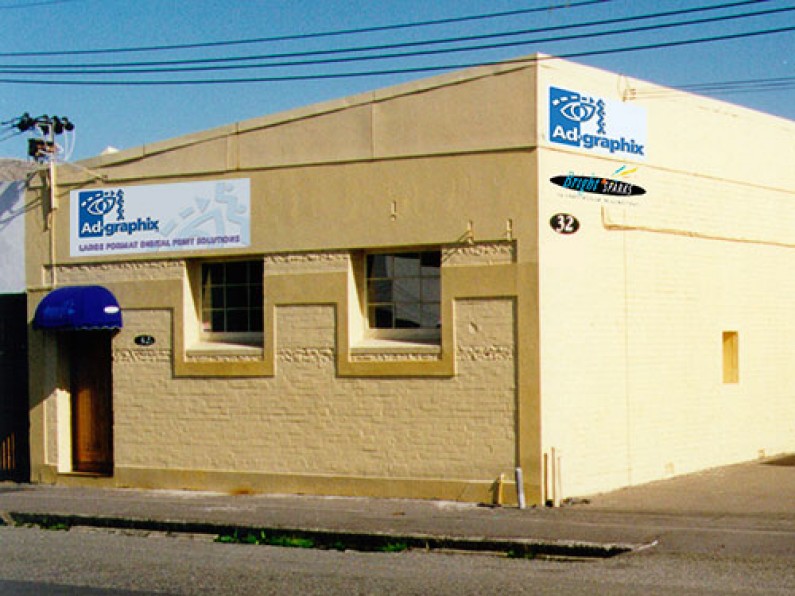
- Can I Return Used Signage For Recycling? If your signage was produced by Adgraphix using eligible materials, yes, you can return it to them at 32a Birmingham Drive, Middleton, Christchurch. They recycle corflute, RETEX, media board, ACM, and Eco Dot products.
- What Inks Does Eco-Friendly Signage Use? Look for HP Latex or UV-curable inks, which are water-based, low-VOC, and non-hazardous.
The Adgraphix Difference
Adgraphix are a specialist large format signage and print company based in Christchurch, New Zealand. They are a great example of a company working to build on their sustainability both for the business and for customers. For NZ businesses looking to reduce their environmental footprint without compromising on visual impact, Adgraphix offers a practical starting point: real recycling pathways, with clearly labelled eco credentials.
- Adgraphix launched its environmental policy in 2009 and has been actively expanding its eco-product range since. Their ‘A Better Choice’ catalogue labels products as either part of a NZ circular economy recycling programme or simply a greener alternative to conventional options, giving customers transparency about exactly what they’re getting.
- Adgraphix recycles corflute through Future Post, a NZ company that converts waste plastics into UV-stable, premium fence posts certified by BioGro for use in organic farming. If you return your printed corflute to Adgraphix at 32a Birmingham Drive, Middleton, Christchurch, it goes into that recycling stream rather than general waste.
- Adgraphix also stocks RETEX board as a direct alternative to foam PVC, foamboard, and non-recyclable boards. Return your RETEX sign to them at end of life, and it re-enters the recycling loop.
- Adgraphix retired its last solvent printer in 2017 and now operates exclusively on HP Latex and UV-curable ink printers.
- Beyond materials, Adgraphix fund a minimum of 120 native trees per year through Trees That Count, and their recycling programme covers not just signage substrates but inks, solvents, aluminium composite offcuts, paper and card, and plastics across their entire facility.
Ready to make your next print or signage order a greener one? Get a quote from Adgraphix or browse our product range to see what eco-friendly options suit your project.
Custom Banners in Christchurch and Across NZ: Materials, Sizes and Choosing What's Right for Your Job
.jpeg)
Choosing a Signage Company in Christchurch: Questions to Ask Before You Commit